

Imagine your playful cat comes home with a scratch or minor wound. Your first thought might be, "How can I help my furry friend quickly?"
Treating cat wounds at home can seem daunting, but with the right steps, you can provide comfort and care without a trip to the vet. You don't have to be an expert to make a big difference. Understanding how to clean and protect your cat's wounds can prevent infections and promote faster healing.
Dive into this guide to learn simple, effective methods for treating cat wounds at home, ensuring your pet stays healthy and happy.
Common Types Of Cat Wounds
Treating cat wounds at home involves understanding common types like scratches, bites, and abscesses. Clean the wound gently with mild soap and water, then apply an antiseptic. Keep the area dry and monitor for signs of infection.
Cat wounds can be common, especially if your feline friend ventures outdoors. Understanding the types of wounds helps in providing the right care. Cats often get into scrapes, leading to different kinds of injuries.
Bite Wounds
Bite wounds are frequent in cats due to territorial fights. These wounds can be deep and are prone to infection. Bacteria from another animal's mouth can enter the wound, causing complications. Immediate cleaning and monitoring are crucial for bite wounds.
Scratches
Scratches are often less severe than bites but still need attention. They can occur from fights or rough play. Scratches might not bleed much, but they can still harbor bacteria. Cleaning the area reduces the risk of infection.
Abscesses
Abscesses form when bacteria infect a wound, creating a pocket of pus. They are painful and cause swelling. Cats with abscesses may show lethargy or lose appetite. Proper treatment involves cleaning and sometimes draining the abscess.
Assessing The Severity Of A Wound
Determining the severity of a cat's wound helps decide if home treatment is suitable. Check for signs like deep cuts, excessive bleeding, or swelling. If these are present, it's best to seek professional help.
Assessing the severity of a cat wound is crucial for determining whether you can manage it at home or need to seek professional help. It’s not just about the size of the wound, but also factors like depth, location, and signs of infection. Recognizing these elements can make all the difference in your pet’s recovery.
Signs Of Infection
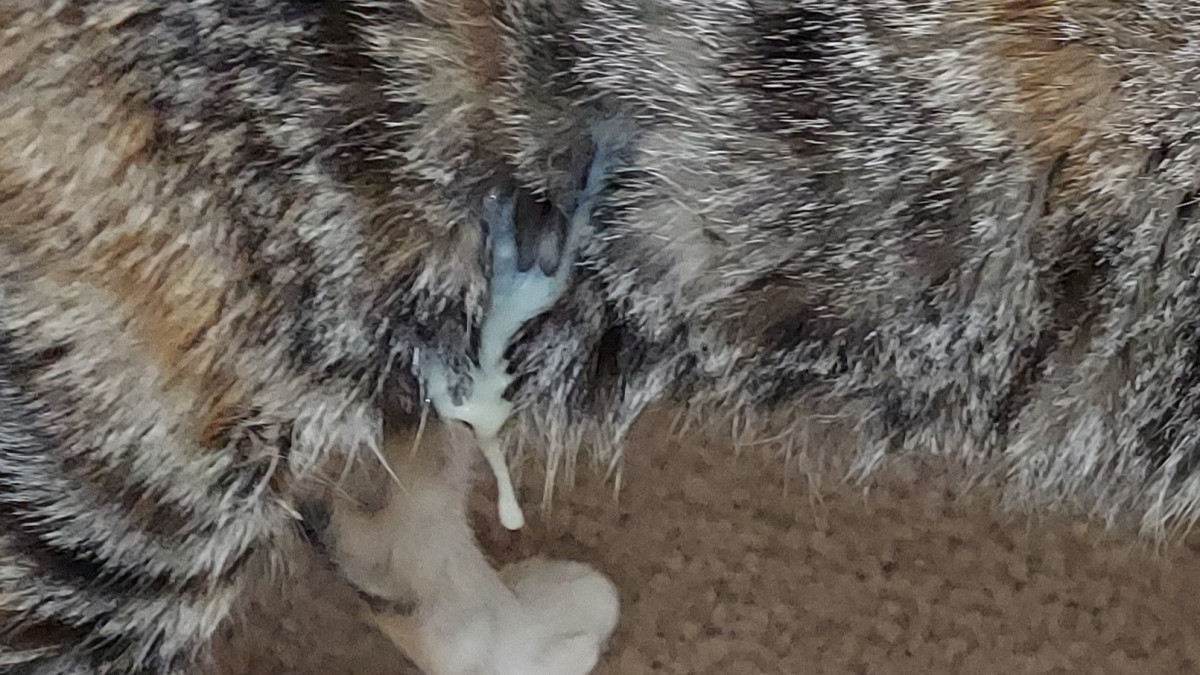
Infections can quickly complicate a simple wound. Check for redness, swelling, or warmth around the wound. These are common signs that an infection might be developing. Pus or a foul smell are more serious indicators that you need a vet's input. Pay attention to your cat’s behavior; increased lethargy or a lack of appetite can suggest something isn’t right. Is your cat persistently licking or scratching the wound? This could be a sign that it's causing discomfort due to infection.
Depth And Size Considerations
A superficial scratch might heal with basic care, but deeper wounds require more attention. Use a clean cloth to gently press the area; if bleeding persists, it might be too deep for at-home treatment. Measure the wound's size. Small, shallow cuts can often be managed at home, but anything larger might need stitches. Where is the wound located? Injuries near joints or on the belly may need extra care to prevent further complications. Understanding the seriousness of a wound can prevent further health issues. Are you confident in your assessment, or is it time to call the vet for a second opinion?
Initial Steps For Wound Care
Begin by gently cleaning the wound with warm water and mild soap. Then, apply an antiseptic to prevent infection, ensuring your cat stays calm and comfortable.
Treating a cat wound at home can be a daunting task, but knowing the initial steps for wound care can make a significant difference in your feline friend's recovery. It's crucial to approach this task with patience and care, ensuring your cat feels as comfortable as possible. The initial steps you take can prevent infection and promote faster healing.
Cleaning The Wound
The first step in wound care is cleaning the wound thoroughly. Use lukewarm water to gently rinse the area. This helps remove any debris and dirt that might have entered the wound. You can use a clean cloth or gauze to pat the wound dry. Avoid using cotton balls, as they can leave fibers behind. If you're using a wound-cleaning solution, make sure it's vet-approved and apply it gently without scrubbing.
Controlling Bleeding
If the wound is bleeding, your priority should be to control it. Apply gentle pressure with a clean cloth or bandage. Hold it in place for several minutes to allow the blood to clot. For persistent bleeding, elevate the wounded area if possible. This technique can help slow down the blood flow. If the bleeding doesn't stop, it may be time to seek professional veterinary assistance. Remember, your calm demeanor can help soothe your cat during this stressful situation. How you handle these initial steps can greatly impact your cat's comfort and healing process.
Credit: pethelpful.com
Home Remedies And Supplies
Caring for a cat's wound at home involves cleaning with mild soap and water, then applying an antiseptic. Use sterile gauze to cover the wound and prevent infection. Keep your cat calm and check the wound daily for signs of healing or any complications.
Caring for a cat's wound at home requires the right supplies. Simple household items often provide effective solutions. These remedies can aid healing and prevent infection. Understanding what to use ensures your feline friend recovers quickly. Below, find essential supplies and home remedies.
Antiseptic Solutions
Antiseptic solutions clean wounds and prevent bacterial infections. They are crucial for wound care. Use a diluted iodine solution or saline water. Both are gentle on your cat's skin. Saline water is easy to prepare. Mix one teaspoon of salt with a cup of warm water. Gently dab the solution onto the wound with a clean cloth. Avoid alcohol-based antiseptics. They can sting and irritate your cat's skin.
Natural Healing Aids
Natural aids help speed up healing. Honey is a natural antiseptic. Apply a small amount to the wound. It keeps the area moist and bacteria-free. Aloe vera gel soothes and promotes healing. Ensure it is 100% pure without additives. You can also use coconut oil. It has antimicrobial properties. Apply a thin layer to keep the wound hydrated. Always monitor your cat's reaction to these natural aids.
Bandaging Techniques
Proper bandaging helps protect and heal cat wounds. Clean the wound gently and apply a sterile bandage. Ensure the bandage is secure but not too tight to allow circulation.
Bandaging a cat's wound at home requires care and precision. Proper techniques ensure the wound heals effectively and reduces discomfort for your cat. Knowing the right methods can make a significant difference in your cat's recovery process. Below are essential bandaging techniques to follow.
Choosing The Right Bandage
Select a bandage that suits your cat’s wound size. Non-stick gauze pads work well for covering wounds. They prevent sticking to the injury and are gentle on sensitive skin. Use elastic bandages to secure the gauze. These stretch easily and are adjustable, ensuring a snug fit without being too tight. Cohesive bandages are another good option. They stick to themselves, not to your cat’s fur, making removal less painful. Always have different sizes available, as wounds vary.
Proper Application Methods
Start by cleaning the wound with saline solution. Pat it dry gently with a clean cloth. Place the non-stick gauze pad over the wound. Ensure the pad fully covers the injury. Wrap the elastic bandage around the gauze. Begin from below the wound and work upwards. Overlap each layer by about half its width. This provides better support and protection. Avoid wrapping too tightly. You should be able to slide two fingers under the bandage. Secure the end of the bandage. Use medical tape or self-adhesive bandages for a secure hold. Check the bandage daily. Replace it if it becomes wet or dirty to maintain hygiene.

Credit: www.amazon.com
Monitoring Healing Progress
Observing your cat's wound healing is essential. Check for signs of infection like redness or swelling. Ensure the wound stays clean and dry for optimal recovery.
Monitoring the healing progress of your cat's wound is crucial to ensure a swift recovery. Observing changes can help you determine if the wound is healing properly or if it requires more attention. Being proactive in this process can prevent complications and keep your furry friend comfortable.
Signs Of Improvement
Look for signs that indicate the wound is healing well. These include a reduction in swelling and redness around the wound site. The skin might start to close up and form a scab, which is a positive sign of recovery. You may notice your cat’s behavior improving, such as resuming normal activities and showing interest in food. Sometimes, personal stories can shed light on unexpected insights. When my cat, Luna, had a wound, I noticed she began grooming herself more, which was her way of showing that she was feeling better.
When To Seek Veterinary Help
While monitoring your cat's wound, be alert for signs that may require veterinary attention. If you observe persistent swelling or redness, or if the wound is emitting an unusual odor, it might be time to consult a vet. Additionally, if your cat seems lethargic or disinterested in food and play, these could be indicators of an infection or other complications. Have you ever wondered how quickly a cat's wound should heal? Generally, minor wounds should show signs of improvement within a few days. If this isn't happening, seeking professional help can ensure your cat receives the best care possible.
Preventing Future Wounds
Clean and cover the wound gently. Use antiseptic solution to avoid infection. Apply a sterile bandage to protect the area.
Preventing future wounds in cats requires attention and care. Keeping your feline friend safe can reduce the risk of injuries. Here, we explore strategies to keep your cat healthy and happy.
Safe Environment
Creating a safe environment for your cat is crucial. Remove sharp objects from areas where your cat plays. Ensure furniture and shelves are stable to prevent falls. Use childproof locks on cabinets containing cleaning supplies. This limits access to harmful substances. Check windows and balconies for safety. Install screens to avoid accidental falls. Limit access to outdoor areas with potential dangers. Fencing can prevent encounters with wild animals.
Behavioral Training
Behavioral training helps in managing your cat's actions. Teach your cat to avoid aggressive play. Redirect their energy with toys and activities. Positive reinforcement encourages good behavior. Reward calm and gentle interactions with treats. Socialize your cat with other pets early. This reduces stress and aggression. Training your cat to respond to commands is beneficial. Simple commands like 'stay' or 'come' can prevent risky situations. Regular training sessions help reinforce positive behavior.

Credit: www.vezercare.com
Frequently Asked Questions
What Can I Put On My Cat's Wound To Help It Heal?
Clean the wound gently with warm water and mild soap. Apply an antiseptic solution recommended by a vet. Use a sterile gauze to cover. Prevent the cat from licking the wound. Consult your veterinarian for specific care and advice. Avoid using human medications or creams without professional guidance.
Can A Cat Wound Heal On Its Own?
Minor cat wounds can heal on their own. Always monitor for infection signs like swelling or pus. Consult a vet if the wound doesn't improve or worsens. Keep the wound clean to aid healing. Proper care ensures quick recovery and prevents complications.
Should You Cover An Open Wound On A Cat?
Covering a cat's open wound can protect it from infection. Use a clean bandage and monitor healing. Seek veterinary advice for persistent issues or signs of infection. Proper wound care supports your cat's recovery and prevents complications.
What Antiseptic Can I Use On A Cat?
Use chlorhexidine or povidone-iodine as safe antiseptics for cats. Avoid alcohol-based products and hydrogen peroxide.
Conclusion
Caring for your cat's wounds at home is manageable. Clean the area gently. Apply a safe antiseptic. Keep the wound dry and covered. Monitor healing daily. Watch for signs of infection. Redness or swelling needs attention. Ensure your cat rests.
Provide a calm environment. Consult a vet if needed. Quick action ensures faster recovery. Your cat's health matters. Stay observant and attentive. A little care goes a long way. Cats can heal well with proper care. Be patient and loving.
Your feline friend will appreciate it.
