

Have you ever wondered if your feline friend could join you on your outdoor adventures? Picture your cat strutting beside you, confidently exploring the world on a leash.
It might seem like a dream, but it's entirely possible. The idea of leash training a cat is intriguing, sparking curiosity and excitement. You might be thinking, "Can my cat really learn to walk on a leash? " The answer may surprise you.
We'll delve into the possibilities, benefits, and steps to make this a reality. This guide is designed for you and your cat, ready to transform your strolls into shared experiences. Ready to discover how your kitty can become the purrfect walking partner? Keep reading to find out how you can make this happen!
Benefits Of Leash Training
Leash training a cat offers multiple benefits for both the cat and owner. It enhances the bond between you and your feline friend. Cats can explore the outdoors safely. The stimulation keeps them mentally and physically active. Here are some key benefits of leash training your cat.
Exercise Opportunities
Leash training provides excellent exercise opportunities for your cat. Outdoor walks encourage movement and exploration. This helps maintain a healthy weight. Regular walking strengthens muscles and improves joint health. A fit cat is a happy cat.
Exploration And Enrichment
Walking on a leash satisfies a cat's natural curiosity. They can explore new sights, smells, and sounds. This mental stimulation enriches their daily routine. Enrichment reduces boredom and unwanted behaviors at home. Exploring boosts their confidence and happiness.
Safety And Security
Leash training ensures safety during outdoor adventures. It prevents your cat from wandering into dangerous areas. Controlled walks reduce the risk of getting lost or hurt. You can keep your cat safe while they enjoy the outdoors. Peace of mind for both you and your pet.
Choosing The Right Equipment
Teaching a cat to walk on a leash can be a rewarding experience, but success largely depends on choosing the right equipment. The right gear ensures your cat's safety and comfort, making the training process smoother for both of you. Let's delve into the essentials of selecting a harness and picking the right leash for your feline friend.
Selecting A Harness
A harness is crucial because it provides secure control and prevents your cat from slipping away. Opt for a harness specifically designed for cats, as they are crafted to fit a cat's unique body shape. Look for adjustable straps that allow for a snug fit without being too tight.
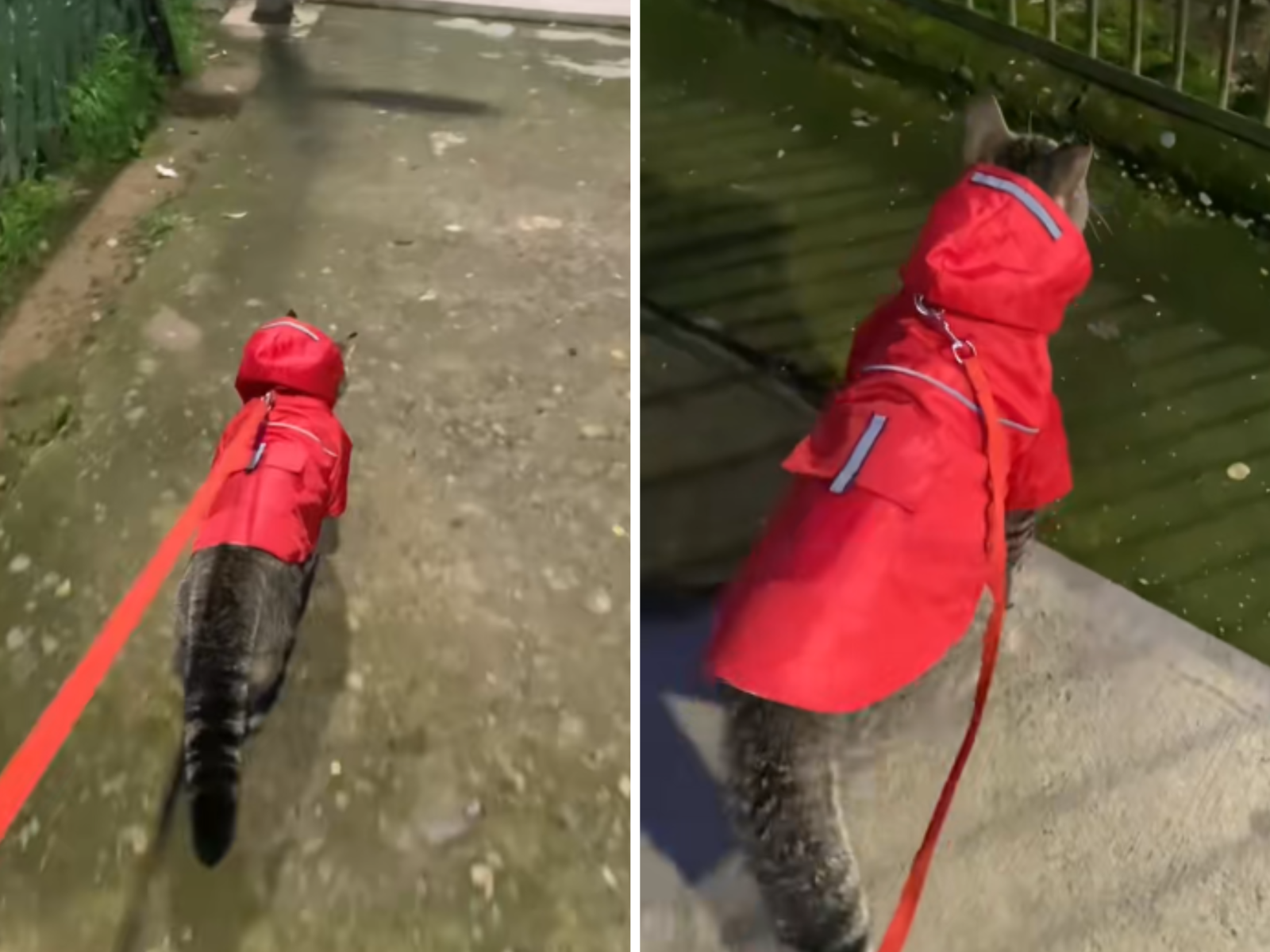
Consider the material of the harness. Soft, breathable fabrics are ideal as they prevent chafing and discomfort. Reflective strips can be an added advantage if you plan on walking during low-light conditions.
Before making a purchase, try the harness on your cat at home. This helps you see how your cat reacts and ensures the fit is just right. Remember, a comfortable cat is more likely to enjoy the adventure.
Picking The Right Leash
When it comes to leashes, lightweight and durable options are your best bet. A leash that is too heavy can be cumbersome for your cat, while a flimsy one might break easily. Aim for a leash length of about 4 to 6 feet, providing enough freedom for exploration while maintaining control.
Retractable leashes, although popular for dogs, might not be suitable for cats. They can startle your cat if they suddenly retract or extend. A standard leash gives you better control and peace of mind.
Think about the handle of the leash too. A comfortable grip will make a big difference on longer walks. Test it out by holding it for a few minutes to ensure it feels good in your hand.
Choosing the right equipment is not just about the gear; it's about creating a positive experience for your cat. Have you ever considered how the right choice of harness and leash could transform your walks into a delightful routine?
Preparing Your Cat
Training a cat to walk on a leash can be an exciting adventure. Cats aren't naturally accustomed to leashes, so preparation is essential. Building trust and ensuring comfort are key steps in the process. Here's how you can prepare your cat for this new experience.
Getting Comfortable With The Harness
Start by selecting a suitable harness for your cat. It should be snug but not too tight. Let your cat examine the harness. Place it near their favorite spots. This helps them associate the harness with positive experiences.
Gradually introduce the harness by putting it on for short periods. Reward your cat with treats during this time. Positive reinforcement builds a good association. Increase the time they wear it daily. This method reduces anxiety and increases comfort.
Introducing The Leash
Once your cat is comfortable with the harness, introduce the leash. Attach it to the harness and let your cat roam freely indoors. This helps them get used to the sensation of being tethered.
Hold the leash lightly while your cat explores. Don't pull or restrict their movement. Encourage exploration with treats and praise. This ensures the leash becomes a part of their routine. Gradually, your cat will feel more secure and ready to step outside.

Credit: www.youtube.com
Step-by-step Training Process
Training a cat to walk on a leash involves patience and gradual steps. Start by letting the cat explore the leash indoors, allowing it to get familiar with the sensation. Gradually, introduce short outdoor walks, rewarding calm behavior with treats, ensuring a positive experience.
Training a cat to walk on a leash can be a rewarding experience for both you and your feline friend. It's not just about the destination, but the journey, filled with patience, perseverance, and a pinch of creativity. By breaking down the process into manageable steps, you can transform your indoor kitty into an adventurous leash walker. Let's dive into the step-by-step training process that can make this transition smooth and enjoyable.
Initial Indoor Training
Start by introducing your cat to the harness indoors. Choose a harness that fits snugly but comfortably, allowing your cat to move freely. Leave the harness near your cat’s favorite resting spot, so they become familiar with its presence. Once your cat seems comfortable, gently put the harness on them for short periods. Offer treats and praise to create a positive association. Gradually increase the duration as your cat adjusts, ensuring they remain at ease. Practice walking around your home with the harness and leash attached. Encourage your cat with treats and gentle guidance. This helps them understand the concept of walking with a leash.
Gradual Outdoor Exposure
After your cat is comfortable indoors, it's time to venture outside. Begin with short sessions in a quiet, enclosed space like a backyard. Keep the leash loose and allow your cat to explore at their own pace. Observe your cat’s behavior closely. If they appear anxious or scared, retreat indoors and try again another day. Patience is key, and pushing too hard can set back progress. Gradually increase outdoor time and explore different areas. Start with familiar environments, then slowly introduce new sights and smells. Each successful outing builds your cat’s confidence, transforming the great outdoors into an exciting playground. Through consistent training and positive reinforcement, you can help your cat embrace the leash with enthusiasm. What new adventures will you and your feline friend discover together?
Common Challenges And Solutions
Training a cat to walk on a leash can be tricky. Cats may resist due to their independent nature. Gradual introduction and positive reinforcement can help.
Embarking on the journey to teach your cat to walk on a leash can be an exciting yet challenging experience. While some cats take to the leash quickly, others may face hurdles. Understanding common challenges and their solutions can make the process smoother and more enjoyable for both you and your feline friend.
Overcoming Fear And Anxiety
It's not uncommon for cats to feel anxious when introduced to a leash. Your cat might freeze, hide, or even refuse to move. Start by familiarizing your cat with the harness indoors. Let them sniff and play with it. Gradually, put the harness on for short periods, rewarding them with treats and affection to create positive associations. Patience is crucial. If your cat shows signs of stress, remove the harness and try again later. Consistency and encouragement will help build their confidence.
Handling Resistance
Resistance is a natural reaction for many cats when they feel restricted. They might try to wriggle out of the harness or refuse to walk. Ensure the harness fits properly. A too-tight or too-loose harness can cause discomfort and increase resistance. Adjust the fit until your cat seems comfortable. Use a lightweight, retractable leash to give your cat some freedom while still maintaining control. Encourage them to explore with gentle tugs and treats. Have you ever noticed how your cat responds to different outdoor environments? Identifying what excites or scares them can help tailor your approach, making leash training a positive experience. Remember, persistence and understanding go a long way in overcoming these challenges. With time and patience, your cat can enjoy the great outdoors safely by your side.
Credit: www.newsweek.com
Tips For Successful Leash Walking
Leash walking a cat can seem challenging at first. Many cats enjoy exploring the outdoors safely. With patience and the right approach, your cat can learn to walk on a leash successfully. Here are some tips to make the process smoother.
Using Positive Reinforcement
Positive reinforcement is crucial for leash training. Offer treats and praise when your cat shows interest in the leash. This creates a positive association. Start by letting your cat sniff the leash. Reward them for calm behavior. Gradually progress to attaching the leash to a harness. Reward each small step. Never force your cat to wear the leash. Use treats to encourage them to move with the leash on.
Maintaining Patience
Patience is key in leash training. Cats are naturally cautious creatures. Progress slowly and avoid rushing the process. Give your cat time to adjust to the new sensation. If your cat resists, pause and try later. Practice indoors first. Let them get used to the harness and leash in a familiar environment. Remember, every cat is different. Some may take longer to adapt. Celebrate small victories and remain patient throughout the journey.
What To Avoid During Training
Training a cat to walk on a leash requires patience and understanding. It's important to know what to avoid during this process. Cats are sensitive creatures and need gentle guidance. Identifying common mistakes can make training smoother. Avoiding these pitfalls will help your cat feel secure and willing to learn.
Avoiding Forced Pressure
Never pull or drag your cat on the leash. Forced pressure can frighten them. It might cause resistance or fear towards the leash. Let your cat move at their own pace. Encourage them with treats and gentle words. This approach builds trust and cooperation. Make the experience enjoyable and stress-free.
Preventing Overwhelming Situations
Avoid crowded or noisy places during initial training. Such environments can overwhelm your cat. Start in a quiet, familiar area. Gradually introduce new settings as confidence grows. Keep sessions short and positive. Watch for signs of stress or discomfort. Adjust accordingly to keep your cat calm.
Monitoring Progress
Teaching a cat to walk on a leash requires patience and consistency. Gradual introduction to the harness helps ease anxiety. Positive reinforcement with treats encourages the cat to adapt and enjoy the experience.
Monitoring your cat's progress on a leash is essential. It helps ensure a smooth transition. Each cat adapts differently, so patience is key. Understanding changes can make the process enjoyable for both you and your cat.
Tracking Behavioral Changes
Observe your cat's reactions during leash training. Note any shifts in mood or behavior. A curious cat might start exploring more. A nervous cat could hesitate or hide. Keep a journal of these observations. It helps identify patterns and preferences. Positive changes are signs of progress. Celebrate small victories to keep motivated.
Adjusting Techniques
Not all cats respond to the same methods. Be ready to tweak your approach. If your cat resists, try a different collar or harness. Introduce treats to encourage cooperation. Change the training environment if necessary. A quiet place might calm a stressed cat. Experiment until you find what works best. Adjustments ensure a happier training experience.

Credit: www.reddit.com
Frequently Asked Questions
How Hard Is It To Train A Cat To Walk On A Leash?
Training a cat to walk on a leash can be challenging. Patience and consistency are crucial. Some cats adapt quickly, while others may resist. Start indoors, using treats and positive reinforcement. Gradually increase outdoor exposure once your cat feels comfortable.
Not all cats will enjoy or accept leash training.
What Age Can You Start Leash Training A Cat?
You can start leash training a cat at about eight weeks old. Begin indoors using a lightweight harness. Ensure the process is gradual and positive. This early introduction helps them adapt and become comfortable with the leash. Always prioritize your cat's comfort and well-being during training sessions.
Is It A Good Idea To Walk Your Cat On A Leash?
Walking your cat on a leash can be beneficial for exercise and mental stimulation. Ensure your cat is comfortable and well-trained. Use a harness instead of a collar for safety. Start slowly and choose a quiet, secure location. Always monitor your cat’s behavior to ensure a positive experience.
Can I Train My Cat To Come When Called Outside?
Yes, you can train your cat to come when called outside. Use treats and positive reinforcement. Start in a quiet area, gradually increasing distractions. Practice consistently for best results. Ensure safety by choosing a secure location. Patience is key to successful training.
Conclusion
Teaching your cat to walk on a leash is possible. It requires patience and practice. Begin slowly with short sessions indoors. Gradually move outdoors once your cat is comfortable. Pay attention to your cat’s mood and signals. Never force them if they seem stressed.
Make leash time fun with treats and praise. Some cats may never fully enjoy it. That's okay. Every cat is different. Enjoy bonding through this unique activity. It's a rewarding experience for both of you. Happy walking!