

Imagine the joy of sharing your outdoor adventures with your feline friend. You've seen dogs strutting proudly on their leashes, but have you ever wondered if cats enjoy the same experience?
You might be curious or even skeptical about the idea of walking your cat on a leash. After all, cats are known for their independent nature. But could this be an opportunity to bond and explore the world together? If you've considered taking your cat on a leash, you're not alone.
Many cat owners are exploring this trend, hoping to enrich their pet's life while satisfying their own curiosity. But before you grab that leash, it's essential to understand your cat's unique personality and preferences. Could walking on a leash be a thrilling adventure for your cat, or is it a recipe for stress? Dive into this article to uncover the secrets behind leash training for cats. Discover expert tips, potential benefits, and the signs that your cat might actually enjoy this new experience. Your curiosity might just lead to a delightful new chapter in your pet's life.

Credit: justcatsclinic.com
Cat Behavior Basics
Cats are mysterious creatures with unique behaviors and preferences. Understanding these behaviors can help us determine if leash walking suits them. Cats have instincts, territorial habits, and natural preferences that drive their actions.
Instincts And Natural Preferences
Cats love to hunt and explore. Their instincts make them curious about their surroundings. They prefer to roam freely, investigating every nook and cranny. Leash walking can restrict this exploration, making some cats uneasy. Their natural preference is to move at their own pace. They enjoy the ability to stop and sniff without constraints.
Territorial Nature
Cats are territorial animals. They feel secure in familiar spaces. Introducing them to new environments can be challenging. Walking on a leash can expose them to unfamiliar territories. This experience might be stressful for a cat. They may react by becoming anxious or defensive. A cat's territory is important for their comfort and confidence.
Credit: www.newindianexpress.com
Leash Training Overview
Walking a cat on a leash can be a unique experience. Not all cats take to it naturally. With patience and the right approach, leash training can be successful. This guide covers a basic overview of leash training for your feline friend.
Introduction To Leash Training
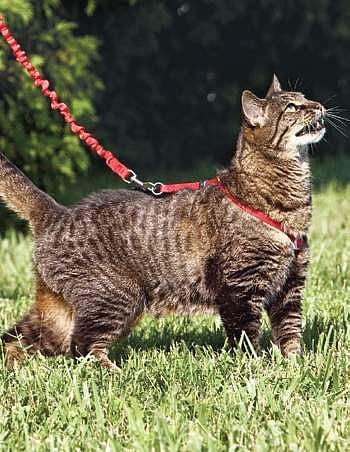
Leash training a cat starts with understanding their behavior. Cats are independent and curious. They need time to adjust to new experiences. Unlike dogs, cats may not follow your lead easily. It's important to respect their pace and comfort level. Begin with a harness that fits snugly but not too tight. Cats are more likely to accept a harness than a collar. Let them explore it on their own terms.
Steps For Successful Training
Training your cat to walk on a leash involves several steps. Start indoors where they feel safe. Follow these simple steps to get started:
- Get them comfortable with the harness:Let them wear it around the house. Offer treats and praise to create positive associations.
- Introduce the leash:Attach it to the harness. Allow your cat to drag it around. Supervise them during this process.
- Practice indoors:Walk your cat around the house. Use treats to encourage them to follow you.
- Move to a quiet outdoor space:Once they're comfortable inside, try a safe outdoor area. Keep sessions short to avoid overwhelming them.
- Increase time and distance gradually:As your cat becomes more comfortable, extend the length of walks.
Patience and consistency are key. Each cat is different, so adjust the pace as needed. Remember, leash training should be fun and stress-free for both you and your cat.
Benefits Of Walking Cats
Walking cats on a leash can offer mental stimulation and physical exercise. It provides an opportunity for them to explore safely. Many cats enjoy the adventure and new scents they encounter.
Walking cats on a leash offers surprising benefits. Cats enjoy the fresh air and change of scenery. This simple activity can enrich their lives in many ways.
Physical Health Advantages
Leash walking helps cats maintain a healthy weight. Regular walks burn extra calories and improve muscle tone. It also supports joint health and mobility. For indoor cats, walking provides needed exercise. It helps prevent obesity and related health issues.
Mental Stimulation
The outdoors stimulates a cat's senses. New sights, sounds, and smells engage their curiosity. This mental workout can reduce stress and anxiety. Exploring the environment keeps their mind sharp. It also prevents boredom, which can lead to destructive behaviors at home.
Challenges Of Walking Cats
Cats often resist walking on a leash due to their independent nature. Many feel uncomfortable and uncooperative. Training with patience and understanding can help them adapt gradually.
Walking a cat on a leash presents unique challenges. Cats, unlike dogs, have independent spirits. They often resist being led. Understanding these challenges is crucial for a smooth experience.
Common Behavioral Issues
Cats can be stubborn. They might refuse to move with a leash. Some cats freeze or panic. This leads to stressful situations. Leash training requires patience and understanding. Cats are also territorial. They may dislike new environments. This can cause anxiety. A calm approach is essential. Gradual exposure helps build confidence.
Environmental Concerns
Outdoor environments pose risks to cats. Busy streets can be dangerous. Loud noises may startle them. Cats may encounter other animals. This could lead to conflicts. Weather conditions also impact walks. Rain and cold might deter outings. Hot surfaces can harm their paws. Choose safe locations. Prioritize your cat's comfort and safety.
Alternatives To Leash Walking
Some cats may not enjoy being walked on a leash. Yet, they still need stimulation and exercise. There are various alternatives that can satisfy their curiosity and playfulness. Let's explore these options to keep your feline friend happy and healthy.
Indoor Enrichment Activities
Indoor activities can provide endless fun for your cat. Create a treasure hunt with treats hidden around the house. Use toys that mimic prey to engage their hunting instincts. Laser pointers or feather wands can keep them entertained for hours. Rotate toys regularly to maintain their interest.
Consider using puzzle feeders to make mealtime exciting. These devices challenge their mind and satisfy their need to hunt. Cat trees or shelves offer a vertical playground. They can climb, jump, and observe their surroundings from above. Such activities help keep their body fit and mind sharp.
Outdoor Enclosures
Outdoor enclosures allow cats to enjoy the fresh air safely. A catio, or cat patio, offers a secure outdoor space. Your cat can watch birds, feel the breeze, and bask in the sun. You can build one yourself or purchase pre-made options.
Make the space interesting with different levels and textures. Add plants that are safe for cats to explore and sniff. Enclosures provide a safe way for cats to experience the outdoors without risks. They can explore, relax, and enjoy nature while staying protected.
Expert Opinions
Walking a cat on a leash is a topic that sparks debate among pet owners. Some cats seem to enjoy the experience, while others prefer the comfort of their home. Expert opinions provide valuable insights into whether cats truly like being walked on a leash.
Veterinarian Insights
Veterinarians often emphasize the importance of safety and comfort for cats. They suggest that leash training should start slowly. Cats need time to adjust to the harness and leash. It’s crucial to ensure the harness fits well, allowing the cat to move freely. Vets also recommend observing the cat’s body language. Signs of stress or discomfort mean it's best to stop. A positive experience can lead to a more enjoyable walk.
Cat Behaviorist Perspectives
Cat behaviorists focus on understanding a cat’s natural instincts. They explain that cats are curious creatures. Exploring new environments can be stimulating. Behaviorists advise introducing the leash in a familiar setting first. This helps the cat get used to the sensation. They also recommend rewarding the cat for calm behavior. Treats and praise can encourage a positive association with the leash. Some cats may never enjoy walking, and that's okay. Each cat is unique, and their preferences should be respected.
Personal Experiences
Exploring the world on a leash can be exciting for some cats. Personal experiences show mixed reactions; while some felines enjoy the adventure, others prefer the comfort of home. It's essential to observe your cat's behavior to ensure a positive experience.
Walking a cat on a leash can be an intriguing experience. Many pet owners have tried it to see how their feline friends respond. Personal experiences vary widely, offering insights into the nature of cats and their adaptability.
Stories From Cat Owners
Some cats take to leashes quickly. They enjoy exploring outdoors, sniffing plants, and watching birds. One owner shared how their cat, Luna, loved the garden. Luna walked confidently, tail high, curious about everything. Another owner said their cat, Max, was hesitant at first. Max eventually grew comfortable with his leash. He enjoyed strolling around the neighborhood, greeting other pets. These stories show a range of reactions.
Lessons Learned
Walking a cat on a leash requires patience. Owners learned to start slowly. They introduced the leash indoors first. This helped their cats get used to the feel. Consistency was key. Short, positive sessions worked best. Many found treats useful. Rewarding good behavior encouraged their cats to walk. Each cat is unique. Some might never enjoy leash walks. Understanding your cat's personality is crucial.

Credit: www.amazon.com
Frequently Asked Questions
Are Leashes Uncomfortable For Cats?
Leashes can feel uncomfortable for some cats, especially if they're not used to them. Training and choosing a comfortable harness can help. Ensure the leash is lightweight and fits properly to reduce discomfort. Always supervise your cat while on a leash to ensure their safety and comfort.
Do Indoor Cats Like Going On Walks?
Indoor cats might enjoy walks, but it varies by individual. Some cats love exploring outside, while others feel stressed. Training and a proper harness can help. Always monitor your cat's comfort and safety during walks.
How Hard Is It To Get A Cat To Walk On A Leash?
Getting a cat to walk on a leash can be challenging. Start with patience and gradual training. Use treats and positive reinforcement to encourage your cat. Some cats adapt quickly, while others may resist. Consistency and comfort are key. Not all cats will enjoy or accept leash walking.
Can A Cat Walk On A Leash Like A Dog?
Yes, cats can walk on a leash like dogs. Start with a harness for safety. Train them gradually and patiently. Not all cats enjoy leash walking, but many adapt well. Ensure a stress-free environment and reward with treats. Always supervise and avoid busy areas to keep your cat calm.
Conclusion
Walking cats on a leash can be a fun activity. Some cats enjoy it. Others may resist at first. It's important to be patient. Start indoors and use treats as encouragement. Watch for signs of stress. Always prioritize your cat's comfort.
A leash walk can strengthen your bond. Try it with care. Respect your cat's preferences. Some days are better than others. Keep sessions short at first. Each cat is unique. Listen to their cues. The experience can be rewarding. Enjoy the adventure together.