
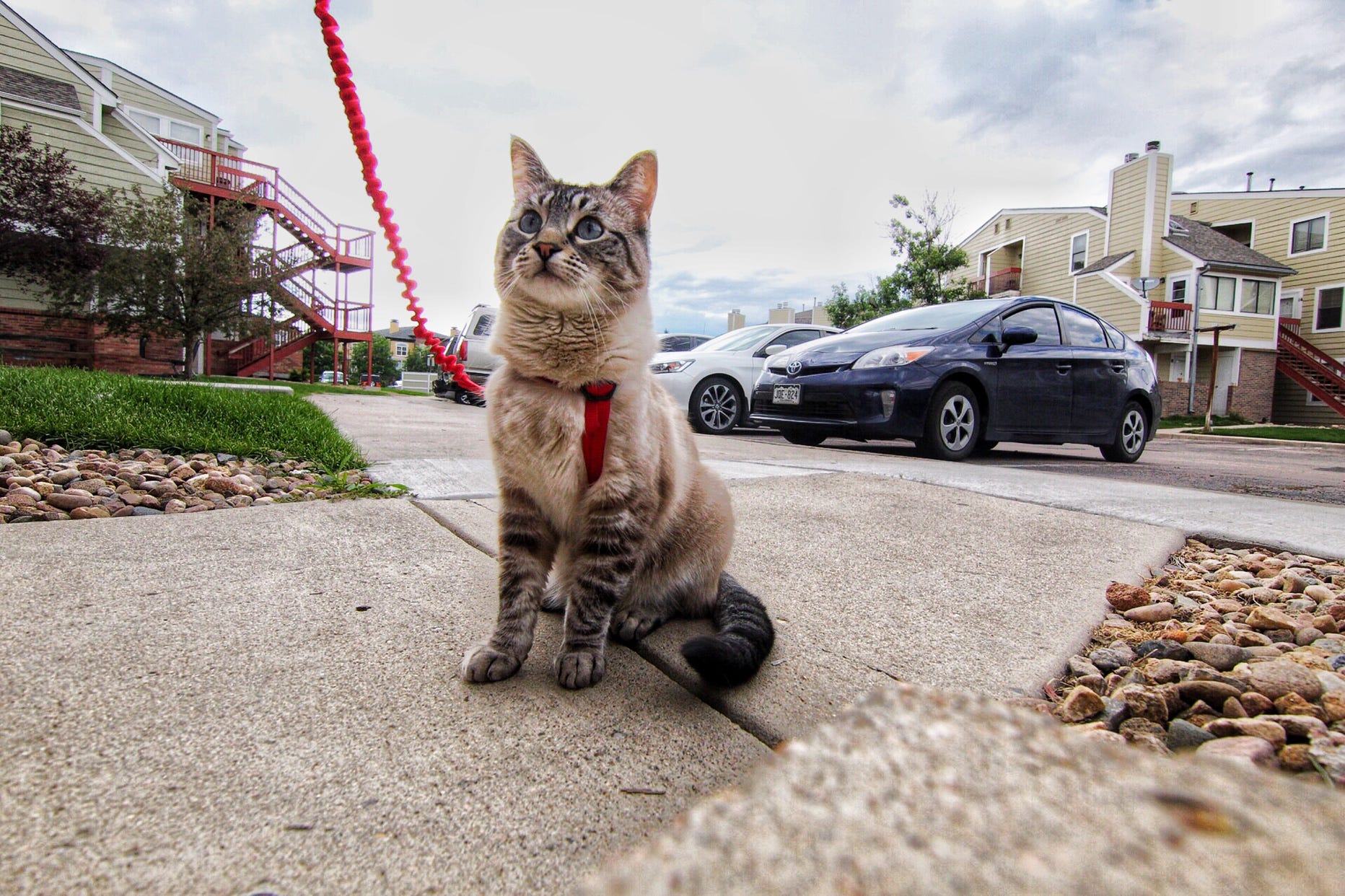
Imagine taking a leisurely stroll through your neighborhood, with your feline friend trotting alongside you, gracefully exploring the world beyond the windowsill. Sounds like a dream, right?
You might think that leash walking is a privilege reserved only for dogs, but what if I told you that your cat could join in on the fun too? You’re probably wondering, "Can a cat really be trained to walk on a leash?
" The short answer is yes, and this revelation could transform your and your cat’s life. By embracing this possibility, you’re not just expanding your cat’s horizons but also strengthening the bond you share. You’ll discover a whole new world of adventure and enrichment for your pet, which can lead to a happier, healthier kitty. We’ll unravel the secrets of leash training your cat, debunk common myths, and provide you with simple, practical steps to get started. So, if you’re ready to open the door to a new chapter of companionship and exploration, keep reading. Your cat’s next great adventure awaits!
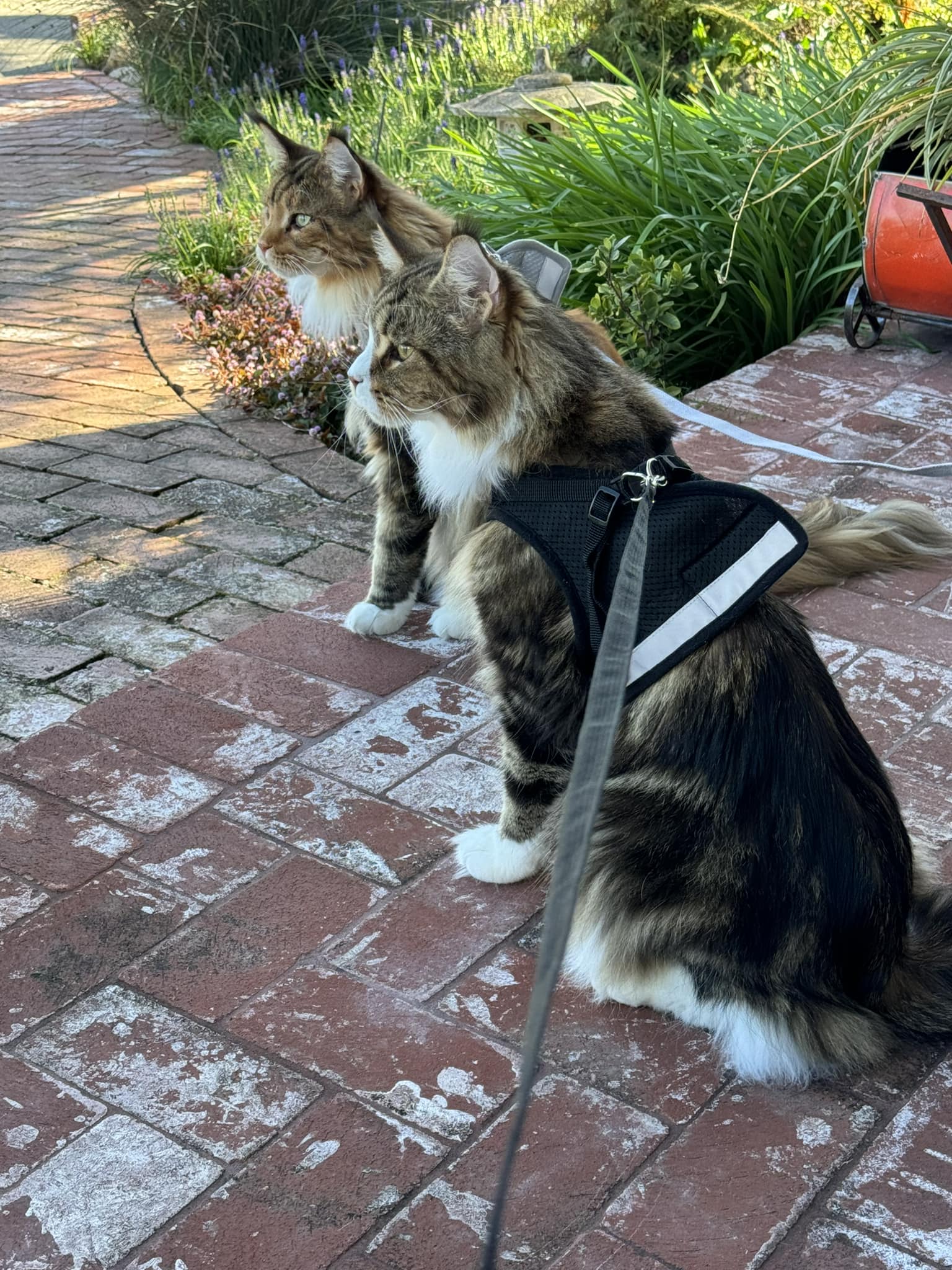
Credit: www.facebook.com
Benefits Of Leash Training For Cats
Leash training provides cats with safe outdoor exploration, reducing boredom and boosting physical activity. It helps strengthen the bond between pet and owner, offering new experiences and fostering trust.
Leash training your cat might sound unconventional, but it offers a range of benefits that you and your feline friend can enjoy. Whether it's enhancing their safety or providing a much-needed mental workout, walking on a leash can enrich your cat's life in unexpected ways. Let's delve into why you might want to consider this unique form of exercise for your pet.
Safety And Security
Leash training provides a safe way for your cat to explore the great outdoors. Unlike dogs, cats are more curious and can easily wander off if not supervised. A leash ensures they enjoy the fresh air without the risk of getting lost or encountering dangers like traffic or aggressive animals. Have you ever worried about your indoor cat's curiosity leading them into trouble outside? With a leash, you can control where they go and what they encounter, giving you peace of mind.
Mental Stimulation
Walking on a leash can offer your cat a mental workout as they encounter new sights, smells, and sounds. This exposure can help reduce boredom and prevent behavioral issues like scratching or excessive meowing. Imagine your cat's delight at seeing a butterfly or feeling grass under their paws for the first time. These simple experiences can greatly enrich their world and keep them mentally sharp.
Physical Exercise
Leash training also provides your cat with a healthy dose of physical exercise. Indoor cats often lack opportunities for vigorous activity, which can lead to obesity and health problems. A daily walk can help maintain a healthy weight and improve your cat’s overall fitness. Plus, it’s a wonderful way for you both to bond and enjoy some fresh air together. Have you noticed your cat's waistline expanding? Regular leash walks might just be the fun fitness routine they need.

Credit: www.purina.com
Choosing The Right Equipment
Training your cat to walk on a leash can open up a whole new world of exploration for both of you. However, choosing the right equipment is crucial for a successful and enjoyable experience. The right harness and leash combination can make the difference between a pleasant walk and a stressful ordeal for your feline friend.
Types Of Harnesses
There are several types of harnesses available that cater to the unique anatomy of cats. The H-style harness is popular for its simplicity and comfort, featuring two loops that go around the neck and chest, connected by a strap along the back. This type is ideal for cats who are new to wearing a harness, as it is easy to put on and adjust.
Vest-style harnesses offer more coverage and security. They're typically padded for added comfort and can be a good choice for more adventurous cats. These harnesses distribute pressure evenly across your cat’s body, making them a great option if your cat tends to pull on the leash.
Finally, the figure-eight harness is another option. It loops around the neck and behind the front legs, tightening as your cat pulls. This can help discourage pulling but may not be as comfortable for longer walks. Which type do you think your cat would find most comfortable?
Selecting A Suitable Leash
Once you've chosen a harness, it's time to select a leash. A lightweight, flexible leash is best for most cats. A standard nylon or cotton leash between 4 to 6 feet long provides enough freedom for your cat to explore without losing control.
Retractable leashes might seem convenient, but they can encourage pulling and make it harder to quickly regain control if needed. A fixed-length leash allows for more consistent training and is often recommended for beginners.
Consider the clip as well; it should be sturdy yet easy to attach and detach from the harness. The right leash will complement your harness choice and make training a more pleasant experience. Are you ready to start your training adventure?
Preparing Your Cat For Leash Training
Training your cat to walk on a leash can be a rewarding experience for both of you. It opens up a world of exploration and enrichment while ensuring your feline friend stays safe. However, before embarking on this journey, it's crucial to prepare your cat adequately for leash training. This preparation involves understanding your cat's temperament and creating a positive environment to foster successful training.
Assessing Your Cat's Temperament
Not all cats are alike. Some are adventurous, while others prefer the comfort of familiar surroundings. Observe your cat's behavior at home. Does your cat show curiosity about new spaces or seem easily startled by changes? A more curious cat might adapt quickly to leash training, while a timid cat may need extra patience.
Consider your cat's age and health. Younger cats might be more adaptable, whereas older cats might be set in their ways. Health issues can also affect their ability to walk on a leash comfortably. Consult with your vet if you have concerns about your cat's physical readiness.
Creating A Positive Environment
Begin with familiar surroundings. Allow your cat to explore the leash and harness indoors. Let them sniff and play with it to reduce anxiety. Reward them with treats or praise to associate the leash with positive experiences.
Introduce the harness gradually. Start by placing it near their favorite resting spot or during playtime. Once your cat seems comfortable with the presence of the harness, gently put it on them for short periods. Again, use treats to reinforce positive associations.
Be patient and observe your cat's reactions. If they seem stressed, take a step back and give them time. Remember, your goal is to create a positive experience that encourages trust and curiosity.
Have you considered how these steps might affect your cat's long-term comfort with leash walking? Understanding their temperament and creating a supportive environment are key to successful training. With patience and love, you'll be setting the foundation for many enjoyable outdoor adventures together.
Step-by-step Training Process
Training your cat to walk on a leash can be a rewarding experience. It requires patience, consistency, and a gentle approach. This step-by-step process will guide you in helping your feline friend feel comfortable and confident on a leash.
Getting Your Cat Used To The Harness
Choose a well-fitting harness for your cat. Ensure it is snug but not tight. Let your cat explore the harness by placing it near their favorite spots. Offer treats and praise while they investigate. Gradually, put the harness on your cat for short periods. Increase the duration as they become more comfortable. Always reward them with treats and positive reinforcement.
Introducing The Leash
Attach the leash to the harness while your cat is calm. Allow them to move freely with the leash dragging behind. Watch closely to prevent tangling or fear. Use treats to create a positive association with the leash. Practice this several times until your cat is relaxed.
Practicing Indoors
Begin indoor practice sessions by holding the leash gently. Let your cat lead the way around the house. Encourage them with treats and a soothing voice. Keep sessions short to maintain your cat’s interest. Gradually guide them with gentle tugs, rewarding them when they follow your lead. With time, your cat will gain confidence and comfort with the leash indoors.
Handling Challenges And Setbacks
Training a cat to walk on a leash can be rewarding. Yet, challenges and setbacks often arise during this process. Some cats may resist, showing hesitation or fear. Understanding these hurdles is key to success. Let's explore how to handle these common issues.
Dealing With Resistance
Cats are known for their independence. Some might resist leash training initially. Patience is crucial here. Start by letting the cat sniff and explore the leash. Use treats as positive reinforcement. Encourage them gently without forcing the leash on them. Gradually, they might accept it.
Addressing Fear And Anxiety
Cats can feel anxious about new experiences. Leash training might trigger their fear. Create a calm environment to ease their stress. Familiarize them with the harness indoors first. Use soothing words and gentle strokes to comfort them. Take small steps to build their confidence.
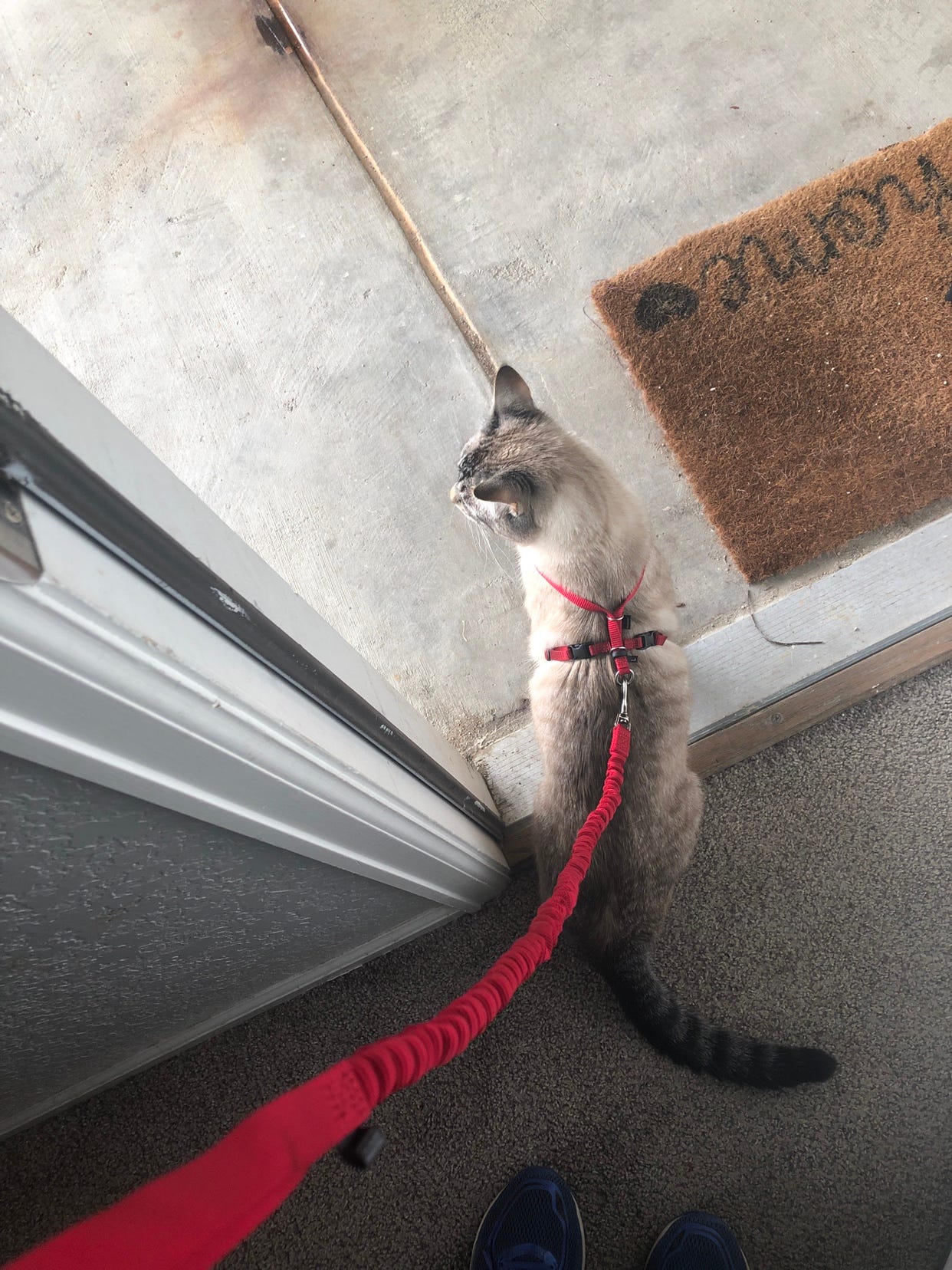
Credit: medium.com
Expert Tips For Successful Leash Walking
Training a cat to walk on a leash requires patience and practice. Begin indoors with short, positive sessions. Gradually introduce the harness and leash, allowing your cat to adjust comfortably.
Embarking on the journey to train your cat to walk on a leash can be both thrilling and challenging. While cats are naturally independent creatures, with the right approach, they can learn to enjoy the great outdoors safely. Here are some expert tips to make leash walking a positive experience for both you and your feline friend.
Using Treats And Rewards
Leverage your cat's love for treats to encourage them during training. Start by introducing the harness indoors, rewarding your cat with treats for wearing it calmly. Gradually associate the leash with positive experiences, like their favorite snacks or gentle petting. Consider using a clicker to mark good behavior. Each time your cat takes a step forward on the leash, use the clicker followed by a treat. This consistent pattern will help your cat associate leash walking with positive outcomes.
Consistency And Patience
Training a cat requires a steady routine and lots of patience. Set aside a specific time each day for leash training, even if it's just a few minutes. This regularity helps reinforce the behavior you want to cultivate. Remember, every cat is unique. Some may take to leash walking quickly, while others may need more time. Celebrate small victories and don't rush the process. Your patience will eventually pay off, leading to successful and enjoyable walks. Have you ever wondered what adventures await once your cat is comfortable on a leash? The world becomes a playground for exploration, and your bond with your cat strengthens through shared experiences.
Common Mistakes To Avoid
Training a cat to walk on a leash can be rewarding. It's important to avoid common mistakes that could hinder progress. Understanding these pitfalls can make the journey smoother for both you and your feline friend.
Skipping Gradual Introduction
Start with a gentle approach. Introduce the leash slowly to your cat. Let them sniff and explore it without pressure. This builds familiarity and reduces fear. Rushing this step can lead to anxiety and resistance. Give your cat time to get comfortable with the new experience.
Forcing The Leash Experience
Never force the leash onto a reluctant cat. This can create negative associations. Instead, encourage them with treats and praise. Make the leash experience fun and positive. Forcing can increase stress and lead to stubbornness. Patience is key to successful leash training.
Safety Tips For Outdoor Adventures
Taking your cat on outdoor adventures can be fun and exciting. But it's important to keep their safety in mind. Proper precautions ensure your furry friend's well-being. Here are some safety tips to consider when walking your cat on a leash.
Monitoring Your Cat's Surroundings
Always keep an eye on your cat's environment. Look for potential dangers like busy roads or aggressive dogs. Staying aware helps prevent accidents. Choose a safe, quiet area for your walks. Parks or gardens are ideal. Avoid crowded places where your cat might feel stressed. A calm setting keeps your cat relaxed and happy.
Staying Alert To Potential Hazards
Be mindful of what your cat might encounter. Poisonous plants, sharp objects, or harmful insects pose risks. Ensure your cat doesn't eat or touch anything dangerous. Keep your cat close to avoid these hazards. A short leash offers better control. It allows you to steer them away from trouble quickly.
Frequently Asked Questions
How Long Does It Take To Train A Cat To Walk On A Leash?
Training a cat to walk on a leash typically takes 2-6 weeks. Progress depends on the cat's personality and comfort level. Start with short indoor sessions. Gradually introduce the harness, and then the leash. Patience and positive reinforcement encourage success.
Each cat is unique, so adapt to their pace.
Is It A Good Idea To Walk Your Cat On A Leash?
Walking your cat on a leash can be beneficial. It provides exercise and mental stimulation. Ensure your cat is comfortable with the harness. Start indoors and slowly introduce outdoor walks. Monitor your cat's behavior closely for safety. Regular leash walks can enhance your cat's quality of life.
What Cats Are Good For Walking On A Leash?
Bengal, Burmese, and Siamese cats often enjoy leash walking due to their adventurous nature. Training is essential for success. Start with a comfortable harness, and gradually introduce outdoor walks. Every cat is unique, so patience and observation are key to understanding their preferences.
Is It Possible To Harness Train An Adult Cat?
Yes, you can harness train an adult cat with patience and positive reinforcement. Start indoors and gradually introduce outdoor environments. Make training sessions short and consistent for best results. Ensure the harness fits snugly but comfortably to prevent escape. Reward progress with treats or affection to encourage cooperation.
Conclusion
Training a cat to walk on a leash is possible. Patience and consistency are key. Start with short sessions indoors. Gradually increase time and distance. Use treats to motivate your cat. Make the experience positive and stress-free. Not all cats will enjoy it.
Respect your cat's comfort and limits. Leash training can be a fun bonding activity. Enjoy the journey with your feline friend. Remember, every cat is unique. Celebrate small successes along the way.